Classroom
Special education
IEPswritten, led and coached since 2013
- Diagnostic evaluations and behavior assessments
- Universal Design for Learning
I turn good intentions into everyday practice.
For fifteen years I have led Wisconsin public schools from the inside: special education teacher, dean, assistant principal and principal. My PhD from UW–Madison studied why so much change stops at the training room door. Today I train the next generation of principals, coach districts nationwide through the firm I founded, and lead with one question: does this reach the students at the edges?
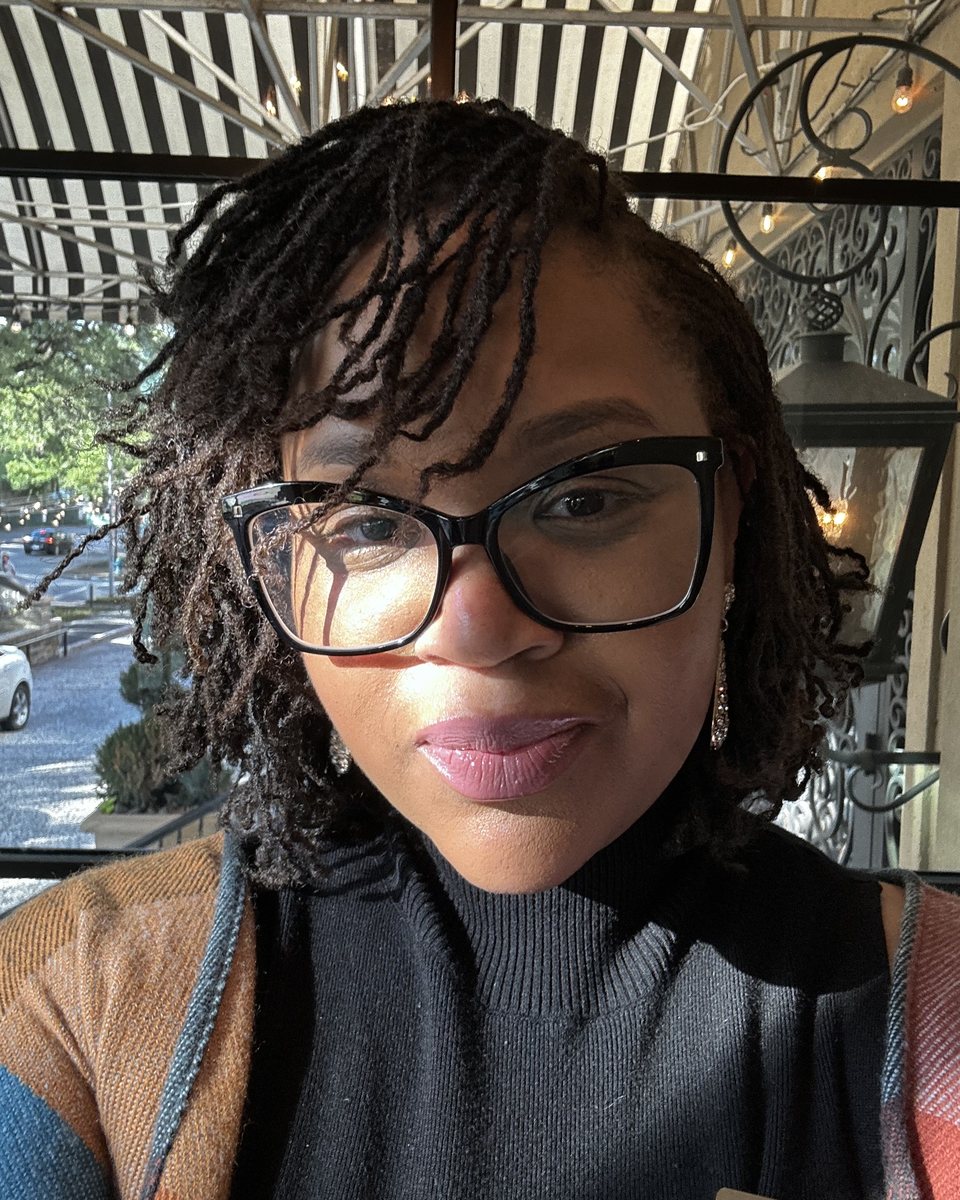
Classroom, building, district and nation. Each step widened the circle of students my decisions reach, and each one taught me what the next level misses.
Schools tend to teach to the middle: the students who arrive, sit down and earn Bs and Cs. I lead for the edges. The student with the steepest barriers and the student ready to run past the curriculum both deserve a school built for them.
I started in special education, where every plan is written for one learner. That habit never left. Here is how it shows up when I lead a building, a district or a new tool.
Bring the people a decision will touch to the table before the plan is set. When leaders skip that step, even strong content stalls.
A training, a pilot or a new tool counts once it shows up in daily practice and in student outcomes. I plan for the transfer and I measure it.
IEPs, behavior support plans and Universal Design for Learning taught me to start with the learner the system forgets. What works for them works for the room.
Weekly data teams on disproportionate outcomes, student focus groups, climate surveys. Numbers tell me where to look. People tell me why.
By Danyelle Wright, PhD · Educational Leadership & Policy Analysis · Defended May 23, 2022
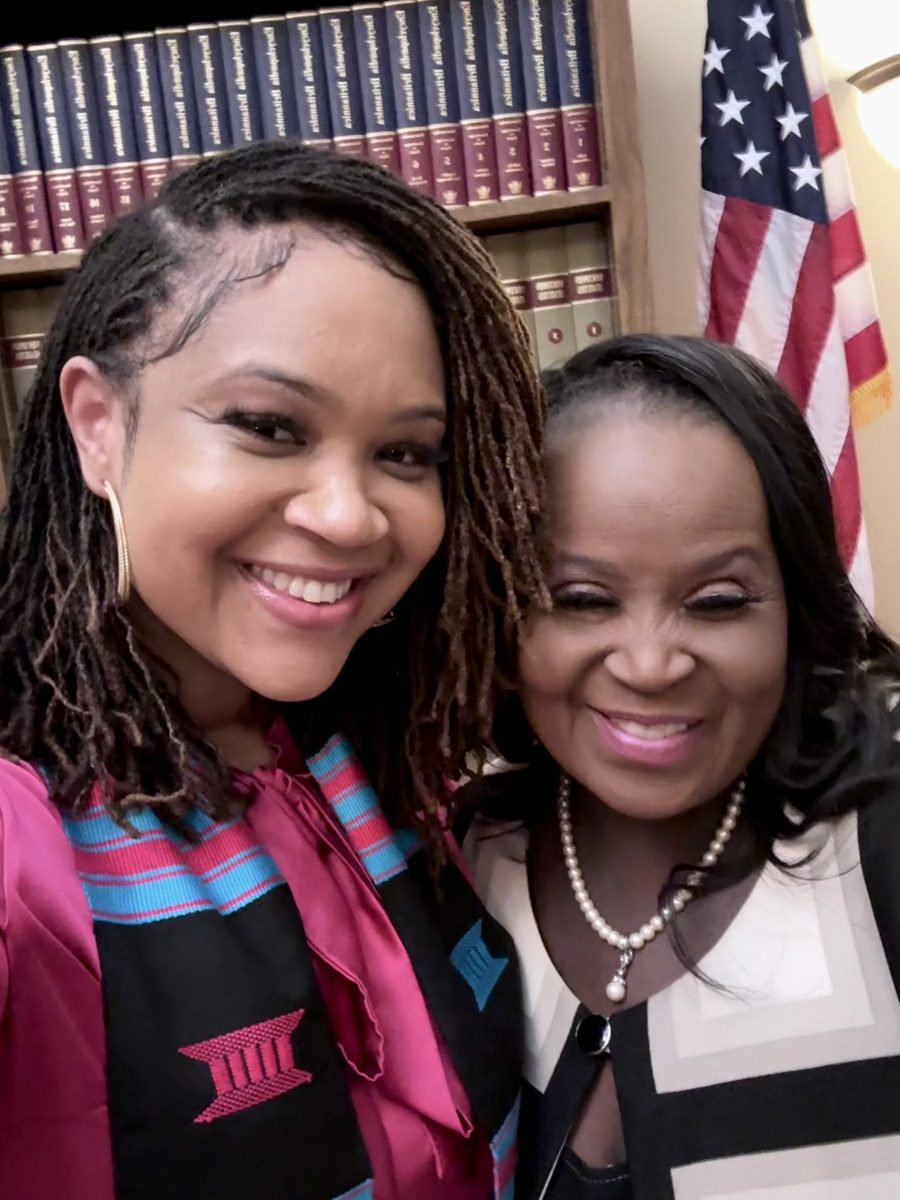
Most definitions of the achievement gap stop at test scores. I studied it as an educational debt: what a system owes students when its adults have not been equipped to teach them all.
I followed one district through a year-long racial equity training for every employee, from teachers and psychologists to custodians and clerical staff, and asked whether it changed belief, and whether belief became practice.
The content was strong. The change stalled because the cycle was never finished and the people most affected were not part of the planning. That lesson holds for any rollout: a curriculum, a coaching model, an AI tool.
“It is the transfer of understanding and the transition from talking to doing to practicing that truly results in districts being anti-racist.”From the dissertation’s conclusion
Shared language and shared goals. Necessary, and where most initiatives stop.
New moves tried in real classrooms, with support close by.
Everyday habit you can see in instruction and in student outcomes.
Codes from written responses across four training days. Perspective led. Transfer of knowledge, the step that turns training into practice, ranked third.
Count of coded mentions, Table 16 of the dissertation.
“To every Black girl who does not see themself as a scholar in academia, this dissertation is for you!”
From the dedicationCo-researcher with Dr. Tom Holub on which high school courses best prepare students with disabilities for prerequisites at a two-year college. Interviews with special education teachers informed a pipeline from high school to Madison College.
Buildings led, a district coached, a firm founded, principals trained. Filter by the kind of work.
Keynotes, panels and public writing on equity, joy and the weight educators carry.
Madison365’s 2022 list recognized her as a building principal, new PhD and mentor who encourages women of color into education leadership.
4th Annual Educators for Equity Virtual Conference, with Nehemiah, MTI and community partners.
Wisconsin Leadership Summit. Hiring staff of color, implicit bias, HR practice and building inclusive schools.
Featured in Theresa M. Robinson’s dialogue on the toll racism takes on Black lives and well-being.
A candid piece on how racism in the Midwest is so often absorbed quietly instead of confronted.
AI is not new. It has lived in the tech sector for decades. What is new is that schools are being asked to decide, quickly, what it is for. I have seen this moment before. In 2020 the pandemic moved us from pen and paper to one-to-one devices overnight. Virtual conferences and meetings removed barriers families had faced for years. The tools had always existed. The crisis showed us what they could do.
AI in schools today sits where that technology sat in 2019: lesson plans, a little organization, a few early adopters. We have not yet asked it to change the system. I want to start where I have always started, with the students at the edges. AI can stretch a curriculum so a student who is struggling and a student who is soaring both meet the work at their level, at the right time.
I bring that lens to every tool. In the principal cohort I teach at UW–Madison, AI is part of how future leaders learn to evaluate and train teachers. The test I use is simple: does it change practice, and for which students? A tool that demos well is not the same as one that works in a classroom. My job is to know the difference and to finish the cycle until it does.
The same instinct that runs my schools runs my ventures: go where access is missing and design for the learner who is usually left out.
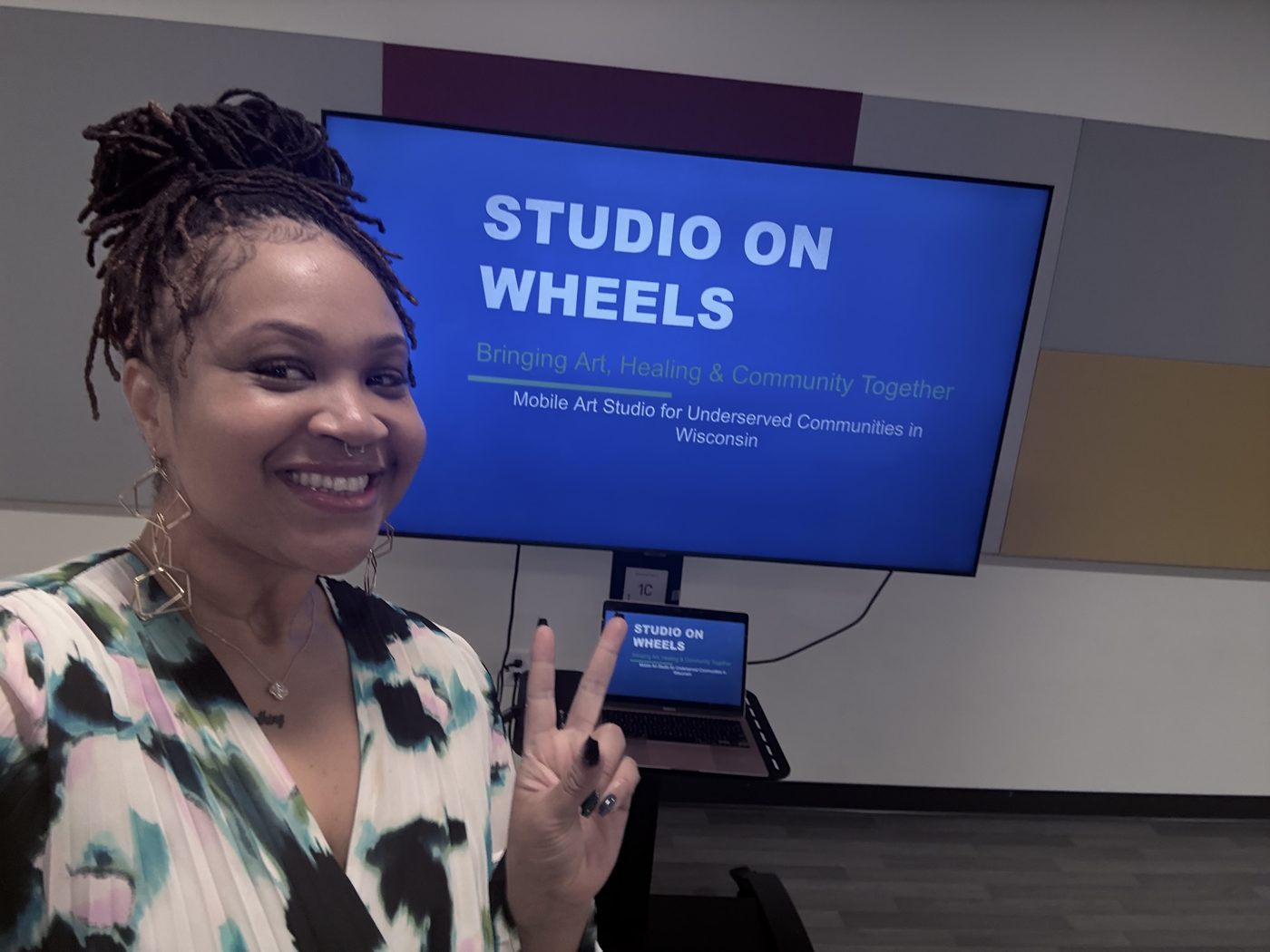
Art heals. Community thrives. Everyone belongs.
A nonprofit mobile art studio that brings free classes to Wisconsin neighborhoods with no arts programming nearby. It is built for neurodivergent learners from day one: sensory-friendly spaces, instruction through visual, tactile and verbal modes, and staff trained in affirming practice.
Collective Agency Regarding Equity. Strategic planning, equity monitoring tools and coaching for school districts, law enforcement agencies and companies.
Brought AI into UW–Madison’s principalship curriculum, so future principals practice using it for teacher evaluation and training before they lead a building.
With the Dane County Equity Consortium, co-led a program pairing veteran educators with first-year teachers of color, so the people districts hire stay.
I’m ready for my next leadership role: setting strategy across a network, deciding what deserves to scale, and making sure it reaches the students at the edges.